
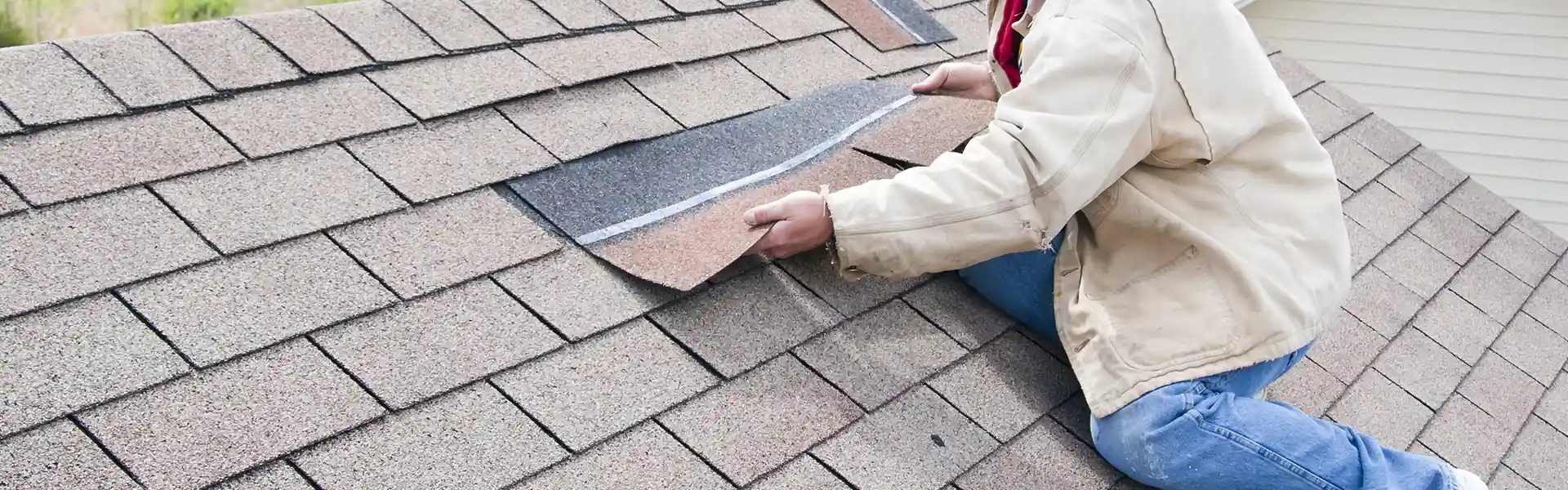
The stain on your ceiling is almost never directly under the hole. Water gets through the roof covering, hits the plywood deck, then runs down a rafter or along the top of the drywall until it finds a low spot. On a Brevard County roof it can travel several feet before it shows up as that brown ring over the dining table.
That’s why patching the shingles above the stain so often fails.
Where Brevard roofs leak first
After enough wet seasons on the Space Coast, the same few spots account for most of the leaks we trace. Check these before anything else.
- Pipe boots. The rubber collar around each plumbing vent cracks in the Florida sun, often years before the shingles around it wear out.
- Wall flashing. Where a roof meets a wall, a chimney or a second story, the metal flashing and its sealant are the weak point, especially on the side facing the ocean.
- Valleys. Two slopes dump all their water into one channel, and a summer downpour can overwhelm a valley that handles normal rain fine.
- Holes drilled by other trades. Air conditioning stands, satellite mounts and solar racks all go through the roof, and the person who installed them usually wasn’t a roofer.
- Tile underlayment. On a tile roof the tiles shed most of the water and the underlayment beneath them stops the rest. When that layer ages out, the roof leaks with no broken tile in sight.
How a roofer traces a leak
We start in the attic, not on the roof, and the best time is during or right after rain. With a flashlight we follow the water trail backward: dark streaks on the underside of the decking, rusty nail tips, stained or matted insulation. Once we find the highest wet point, we measure from something that passes through the roof, like a plumbing vent, so we can locate the same spot from outside. On the roof we check every part of that area, uphill of the wet point, because water only runs down. If the source still isn’t obvious, we run a water test. One person runs a hose over a single section at a time, starting low and working uphill, while another watches the attic. It’s slow, and it works.
A moisture meter tells us how far the wet decking spreads, which decides whether a repair means one sheet of plywood or several.
The weather is a clue
Pay attention to when it leaks, because it narrows the search. A leak that only shows up during storms blowing in from the east points to flashing or a wall on that side of the house. One that appears in every heavy downpour, wind or not, points to a valley or a gutter backing up under the roof edge. A drip that starts hours after the rain stops usually means water is sitting somewhere, often in a low spot on a flat section, and slowly finding its way in.
Write those details down. They save time on the roof.
What to do before we get there
- Move furniture and electronics, and put a bucket under the drip.
- If the ceiling is bulging with water, a small hole with a screwdriver over a bucket lets it drain instead of bringing down a larger section of drywall.
- Take photos of the ceiling, the attic if you can reach it safely, and anything that got wet. Your phone records the date, and your insurer will ask.
- Stay off the roof while it’s wet. Shingles get slick and tile cracks under a boot.
If water is coming in fast, start with our emergency roof services line. A tarp now prevents the wet decking and drywall that turn a small repair into a big one.
One bad part, or a tired roof?
Most leaks come down to one failed part: a cracked boot, a lifted shingle, a gap in the flashing. Those are routine roof repairs, and fixing them properly costs far less than the ceiling damage they cause. The answer changes when the attic shows stains in several places, or the decking is soft across a whole slope. That pattern means the roof covering itself is wearing out, and patching one leak only moves the next one a few feet over.
If you can’t tell which situation you’re in, a roof inspection answers it with photos of every slope, so you see what we see before deciding anything.